Kyrgyzstan restores inflation-linked salary indexation
Kyrgyzstan restored mandatory salary indexation after inflation exceeded 28% in 2022-2024, with review rules set by the government for public workers and employers for private staff.
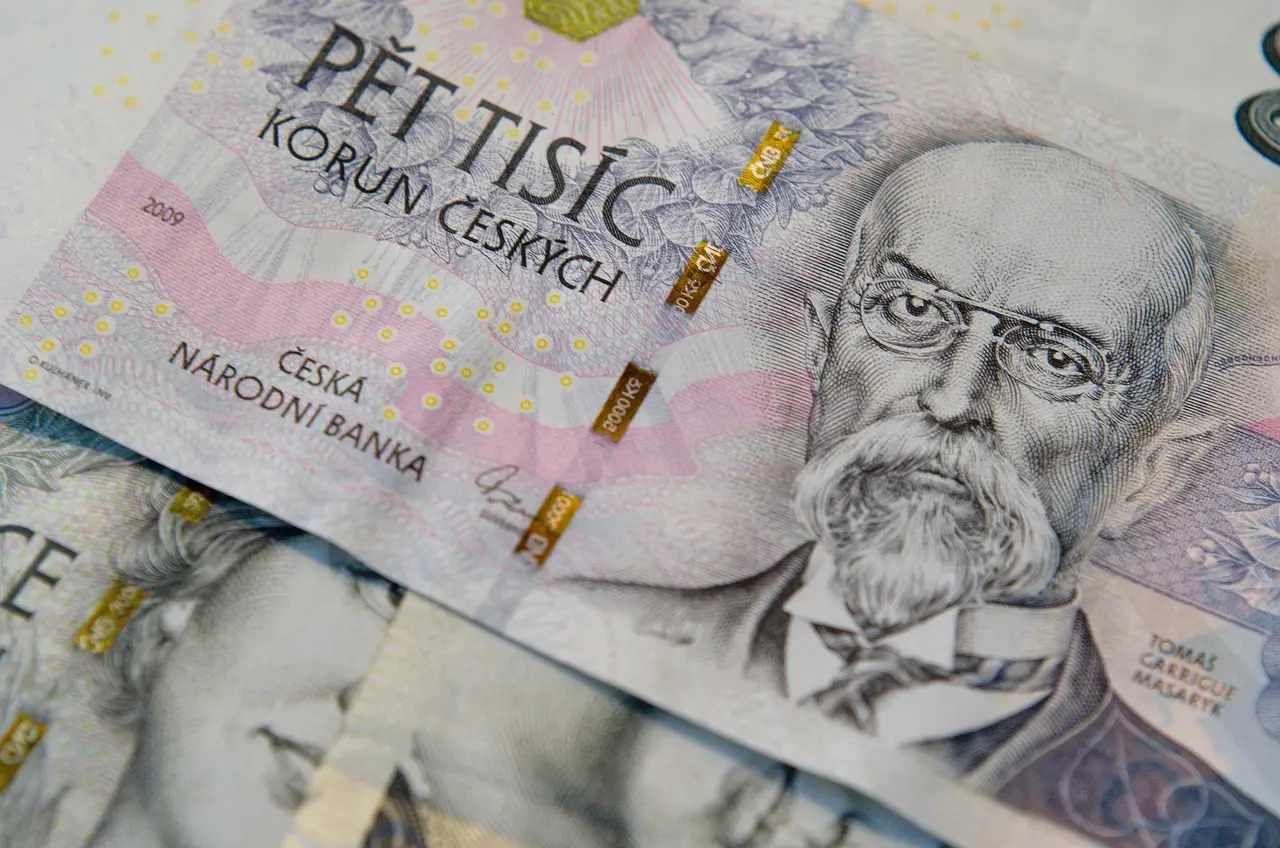
Kyrgyzstan restored mandatory salary indexation (regular pay reviews linked to inflation) after cumulative inflation exceeded 28% in 2022-2024, with Sadyr Japarov signing the relevant amendments to the Labor Code.
The new law requires employers to raise wages “following increases in prices” in stores, so employees’ income “does not lose its real value.” “Automatic” here means a mandatory review, not an identical percentage for every employee.
Why did Kyrgyzstan bring indexation back?
According to banks.kg, mandatory salary indexation operated in Kyrgyzstan before the current Labor Code. Parliament removed it when adopting the new code in 2025. Workers retained a formal right to fair remuneration, yet the specific mechanism for compensating higher prices disappeared from the legislation.
Deputies in the Jogorku Kenesh (Parliament) explained the need to restore indexation as a response to “the depreciation of money.” Across 2022-2024, cumulative inflation exceeded 28%, and salaries without regular reviews rapidly lost their real purchasing power.
What does the amended Article 91 require?
The amendments to Article 91 of the Labor Code restore mandatory indexation. The law links wage adjustments to price growth and requires the review procedure to be fixed in collective agreements, employment agreements or local organizational acts (company-level rules). Those documents provide the operating mechanism for each employer.
The framework restores an obligation, not a universal formula. Employees will not all receive the same automatic increase. The size and frequency of increases depend on the employer’s sector and the terms recorded in labor documents.
Two rule-setting tracks follow:
- Budget employees: the government determines the procedure.
- Private employees: employers determine the percentage and regularity of increases in internal agreements and agreements with staff.
What does this change for employers and workers?
For public employees, the government will establish the indexing rules. For private employers, including retail businesses, the company must set the percentage and frequency of wage increases in internal documents and agreements with staff. Price-linked reviews must form part of the employer’s pay-setting process, rather than remain optional.
No uniform raise follows. The law provides no universal percentage or single increase for all employers. Budget organizations will follow government rules, while private employers retain flexibility over the terms they record, subject to the mandatory requirement to respond to price growth.
For a private retailer, the immediate operational issue is documentation. The company must state the percentage and frequency in the appropriate collective agreement, employment agreement or local organizational act. The law sets the obligation; employer-specific implementation remains in place.
What is changing in Kazakhstan?
Kazakhstan will index social payments for loss of working capacity and loss of a breadwinner from 1 January 2026. That measure concerns social benefits, not the salary-review mechanism now written into Kyrgyz law. The countries are moving on separate tracks: Kazakhstan sets a dated benefit adjustment, while Kyrgyzstan requires sector-specific wage-review rules.
Key findings
- Cumulative inflation in Kyrgyzstan exceeded 28% in 2022-2024.
- Sadyr Japarov signed amendments restoring mandatory salary indexation through Article 91.
- The 2025 Labor Code had removed indexation, despite retaining a formal right to fair pay.
- Budget and private employers will follow separate rules for wage-review percentages and frequency.
- Kazakhstan will index incapacity and breadwinner-loss social payments from 1 January 2026.
Source kaktus.media (Original)
More from Ольга Никитина
Show full bio
Корреспондент «Shelf Herald», освещает компании и сделки: Shelf Herald — двуязычное (русский/английский) независимое деловое СМИ.
12 articles