Russia’s Draft Road Rules Target Delivery E-Scooters
Russia’s transport ministry has finalized draft road rules that classify 250 W to 4 kW e-scooters and e-bikes as mopeds, restrict couriers’ sidewalk access and prepare tougher enforcement.
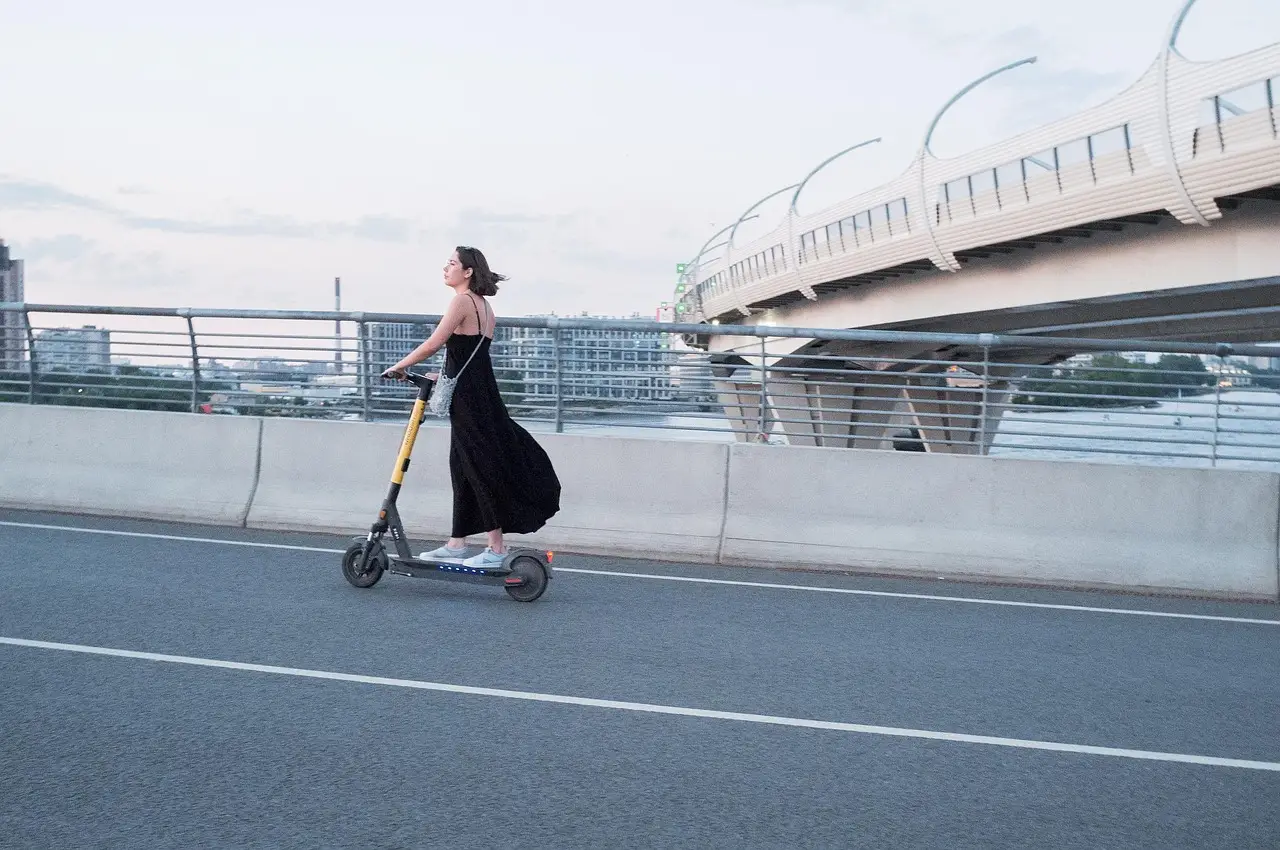
After more than a year of work, Russia’s Ministry of Transport has finalized a large package of draft amendments to the traffic rules. They would deny delivery couriers sidewalk or pedestrian-zone access where cycle routes are absent and classify e-scooters and e-bikes with motors rated from 250 W to 4 kW as mopeds.
The proposal remains a draft, not an enforceable rule. The ministry plans to publish it soon for public discussion, but the released summary gives no adoption or effective date.
Russia’s traffic code now defines personal mobility devices, known as SIMs, in broad terms. That wording has produced inconsistent interpretation of where and how people may ride. The draft would give e-scooters and e-bikes whose motors fall within the 250 W to 4 kW band the status of mopeds and mechanical transport vehicles.
What changes for couriers?
Under the current rules, riders may use a sidewalk or pedestrian zone as an exception where no bicycle paths or lanes exist. The draft would remove that option for delivery couriers and for owners of heavier personal mobility devices weighing more than 35 kg.
The restriction concerns pavement access, not a blanket ban on delivery work. The summary does not explain how authorities would identify a rider working as a courier, leaving a practical question about enforcement.
The draft would also formalize parking. Authorities would designate places for electric scooters through signs or road markings, and the rules would permit paid parking. The summary sets no prices and does not identify which authority would operate the paid spaces.
What obligations would riders face?
Users of personal mobility devices would come under many of the same rules as drivers. The draft would require them to:
- Check the device’s technical condition before each trip.
- Stop when police order them to do so.
- Refrain from riding while intoxicated.
- Do not leave the scene of a road accident.
- Undergo a medical examination.
These obligations extend beyond parking and pavement access. The released summary gives no inspection system or enforcement timetable to show how the duties would work in daily policing.
The draft summary does not include a penalty schedule. The ministry says work on amendments to the Code of Administrative Offences will resume only after the traffic-rule changes are approved. Until then, the proposal cannot establish which violations would attract fines.
Can the rules work in practice?
“Strict enforcement and greater accountability are necessary for the new rules to work,” said Ksenia Erdman, director of the Association of Micromobility Operators and a member of the transport ministry’s public council. That caveat matters because consistent checks will determine whether the new duties change actual behavior.
The ministry has not yet released the full draft, an implementation timetable or an enforcement protocol. The summary leaves unanswered how courier status would be established, how paid parking would operate and what system would support the new pre-trip checks.
The announced tightening also depends on two later steps: approval of the traffic rules and renewed work on the Code of Administrative Offences. Formal classification can clarify responsibility, but it cannot by itself ensure consistent treatment on the street.
Yandex has previously proposed treating autonomous delivery robots as full participants in road traffic. That remains a separate policy idea: the current document does not say whether those machines would receive the same status or face the same pavement restrictions as human couriers.
Until the text goes out for review, the concrete result is limited: a completed classification proposal, a pavement exception narrowed for couriers, planned scooter parking and a package of rider obligations. Harder enforcement remains contingent on approval, subsequent administrative-code amendments and practical checks on the street.
Key findings
- The transport ministry spent more than one year preparing the draft amendments.
- E-scooters and e-bikes with motors from 250 W to 4 kW would be classified as mopeds and mechanical transport vehicles.
- Couriers and owners of personal mobility devices over 35 kg would lose the fallback sidewalk and pedestrian-zone exception.
- Electric-scooter parking would use signs or road markings, with paid parking possible.
- The draft goes to public discussion first; work on Code of Administrative Offences amendments resumes after approval.
Source oborot.ru (Source)
More from Екатерина Ларина
Show full bio
Старший корреспондент «Shelf Herald», освещает деньги, инвестиции и рынок: Shelf Herald — двуязычное (русский/английский) независимое деловое СМИ.
16 articles
Adjacent departments
- Russian doctors seek nationwide vape ban as 17 regions restrict sales
- Courier Pay Reaches 300,000 Rubles as December Delivery Costs Rise 15%
- Kazakhstan and Tajikistan agree to digitalise freight flows
- Russian government clears pharmacies in rural post offices
- China tightens vehicle export rules from January 2027