Tashkent reverse vending machine pays 2.4 million soums in one month
A Tashkent reverse vending machine collected 16,581 containers in one month and paid users 2.4 million soums, as Uzbekistan tests two Tomra units and drafts mandatory packaging deposits.
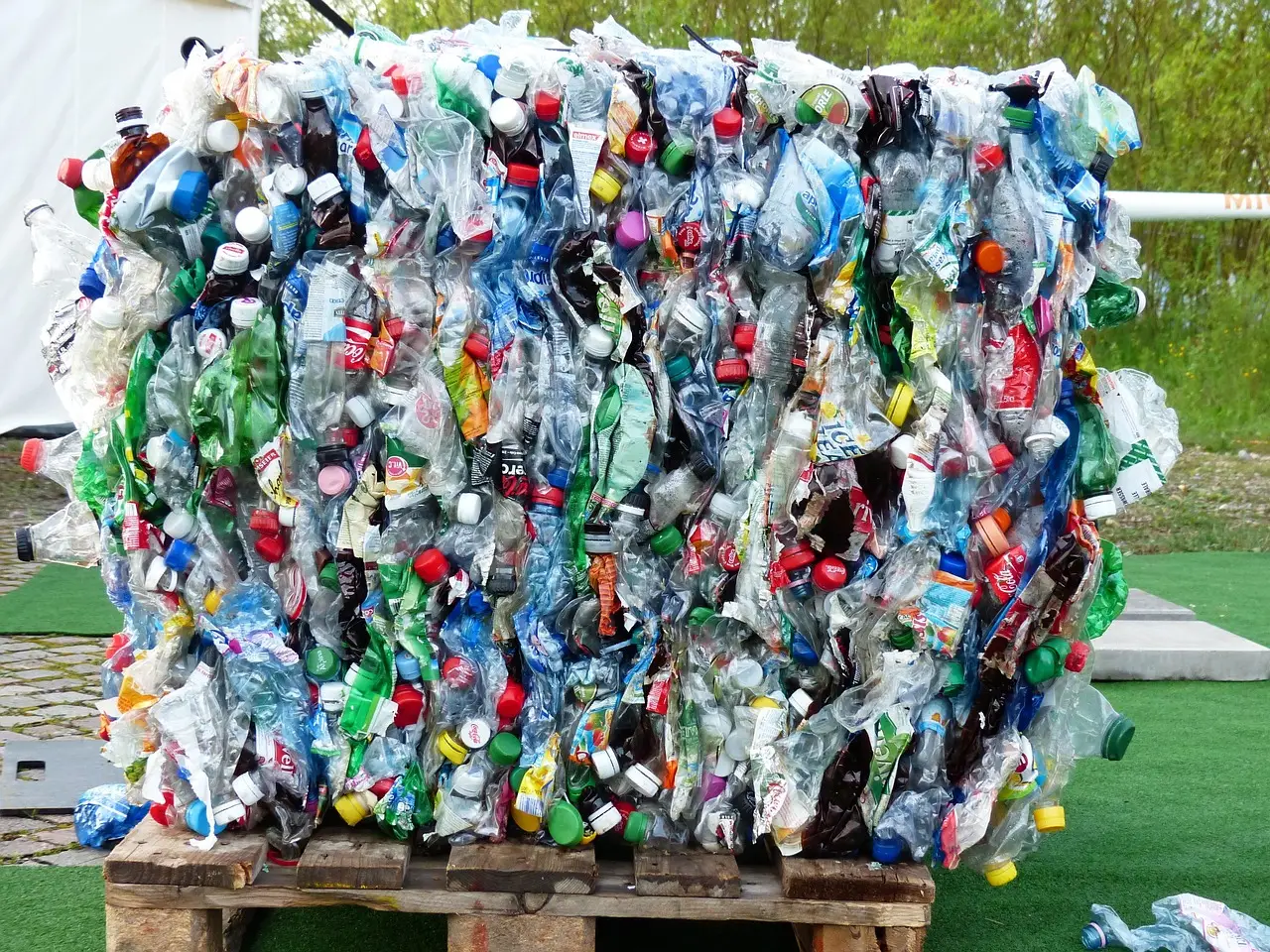
Uzbekistan’s Agency for Waste Management and Circular Economy reported that one reverse vending machine (RVM, an automated unit for returning eligible containers) in Tashkent paid users 2.4 million soums for 16,581 units of packaging during one month of operation.
The agency’s press service stated: “In one month of operation, the machine accepted 16,581 units of packaging.” The collection comprised:
- Plastic packaging: 14,899 units;
- Aluminum cans: 1,289 units;
- Glass packaging: 393 units.
The pilot’s reward applied to every eligible unit, across all three packaging formats. Each accepted container carried a payment of 150 soums. Users could transfer the money to a personal e-wallet or donate it through the “Yashil Makon” (“Green Space”) project. The RVM required containers to be clean, empty and no more than three litres in capacity.
A September report in Gazeta said the agency and the Norwegian company Tomra had launched two pilot RVMs in Uzbekistan. One machine stands outside the National Committee for Ecology and Climate Change at 7A Bunyodkor Street in Tashkent’s Chilanzar district. The second is being tested in Surxondaryo Region.
Only the Tashkent unit has reported a month of collections; the Surxondaryo machine remains in testing. If the pilot succeeds, the agency plans to extend the container-return model nationwide. That rollout remains conditional on the two-site test.
In October, Iskander Qutbidinov, deputy chairman of the National Committee for Ecology and Climate Change, presented a new version of the draft law “On Waste”. It provides for a mandatory deposit system (a refundable packaging charge) covering plastic and glass bottles and aluminum beverage cans.
Under the proposal, sellers may include the deposit in the product price. A buyer can recover the money after returning the empty packaging to a designated collection point. The proposal links the need for the measure to a low recycling rate for the relevant waste: 6.2%.
A presidential decree dated 31 May 2023 had already listed the return of used packaging with deposits among prospective innovative projects. The October paper sets out a proposed national legal framework for mandatory deposits.
The pilot and the draft concern the same transaction from different stages. The machines pay for an immediate return of eligible containers; the draft would place a deposit in the covered product’s price and allow the buyer to recover it at a designated collection point. The pilot uses two physical sites, while the draft seeks national coverage through law.
What would mandatory deposits change for shoppers and sellers?
For shoppers, the draft would add a refundable packaging charge and create a route to recover it by returning an empty bottle or can at a designated collection point.
Under the pilot, the 150-soum reward attaches to the act of returning an eligible container; under the draft, the deposit attaches to the product price and follows the buyer through the sale.
For sellers, the proposal would allow the deposit to be included in that price. Its scope covers plastic bottles, glass bottles and aluminum beverage cans.
The practical test is whether a 150-soum payout at two pilot machines can scale into a nationwide system with mandatory deposits. Current operation still comprises one machine in Tashkent and one under test in Surxondaryo; the national legal framework remains at the draft stage.
For now, the measurable result is one operating site: 16,581 containers and 2.4 million soums paid in a month.
Основные выводы
- One Tashkent RVM accepted 16,581 containers during one month of operation.
- Users received 2.4 million soums at a rate of 150 soums per eligible container.
- The total comprised 14,899 plastic units, 1,289 aluminum cans and 393 glass units.
- One Tomra pilot machine is installed in Tashkent; another is under test in Surxondaryo Region.
- An October waste-law draft proposes mandatory deposits amid a recycling rate of 6.2%.
Источник https://www.gazeta.uz/ru/2026/11/09/fandomat/
Ещё от Марина Ковалёва
Показать полностью
Редактор новостей «Shelf Herald», освещает регулирование и его влияние на сферу «Shelf Herald — двуязычное (русский/английский) независимое деловое СМИ».
12 статей
Смежные отделы
- Uzbekistan to fine LPG stations over household cylinder refills
- Uzbekistan Logs 100,000 TEU by Rail but Dry Ports Still Don't Work as One System
- Uzbek Council Rejects Draft on Food Import Duties, Sends Back for Rework
- Kyrgyzstan’s banana imports rose 20.5% through August
- Uzbekistan finds 10 million+ liters of non-compliant AI-92 gasoline