Kazakhstan's Energy Ministry Pledges to Dampen Fuel Price Spikes
Kazakhstan's energy ministry says it will use 400,000-tonne fuel stocks to dampen petrol and diesel price spikes, months after retail price caps were scrapped and pump prices began climbing.
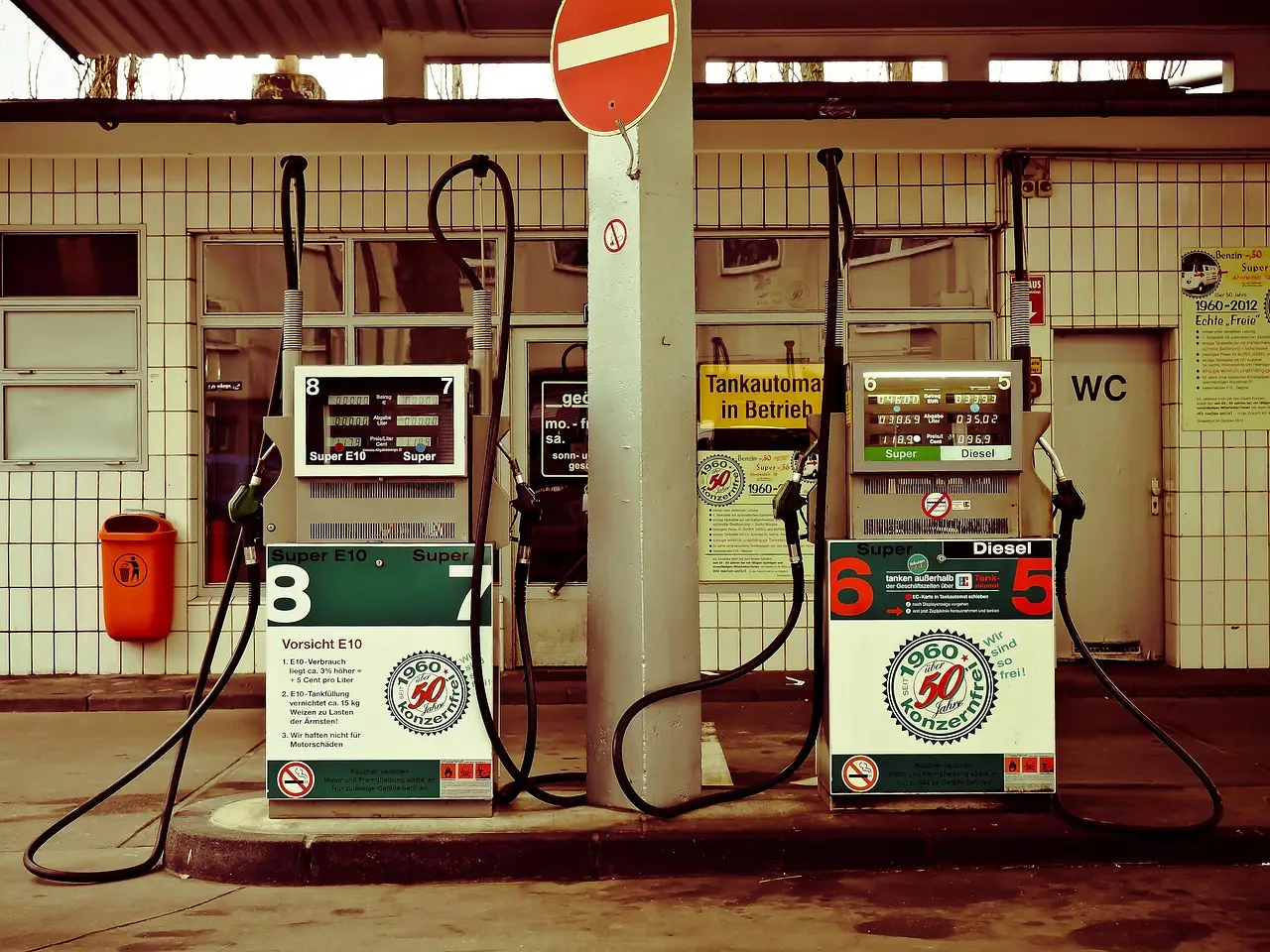
Kazakhstan's government says it stands ready to "dampen" any sharp spikes in retail prices for Ai-92 petrol and diesel, promising to release fuel from state oil depots if the market overheats. Energy Minister Yerlan Akkenzhenov made the pledge to journalists this week, framing it as insurance rather than intervention.
"If there are any big spikes, the state will naturally take all necessary measures to extinguish them. We have all the tools for this. The first is sufficient fuel reserves in the country," Akkenzhenov said.
How large are the reserves?
Oil depots across the country hold more than 400,000 tonnes of petrol and more than 400,000 tonnes of diesel, according to the minister. He added that all large refineries continue operating in normal mode, shipping motor fuel to cities. His conclusion: "There are no conditions for panic demand and, as a consequence, panic-driven price growth."
The promise of intervention sits awkwardly next to what the minister said about regulation. Kazakhstan stopped regulating both wholesale and retail fuel prices earlier this year — Akkenzhenov dated the change to February 2024, though Kursiv notes prices were in fact liberalised in early 2025. Either way, pump prices now depend on domestic supply and demand.
What do prices look like now?
The current retail range for Ai-92 runs 253–271 tenge per litre, with diesel at 356–367 tenge, Akkenzhenov said. He declined to forecast where prices will move.
The spread itself, he argued, is evidence of a functioning market: "The spread at petrol stations is considerable. Some filling stations have lower selling costs than others, so prices differ — lower in some places, higher in others. This shows that market conditions and competition are at work."
Whether a 18-tenge spread on petrol signals genuine competition is a judgement call the minister did not substantiate. What is documented is the direction of travel since deregulation.
How did we get here?
The trajectory is short and steep. In April 2023, the government raised retail price caps to 205 tenge per litre for Ai-92/93, up from 182–187 tenge depending on the region, and to 295 tenge for diesel, up from 230–260 tenge. In early 2025, the caps were scrapped altogether and prices began climbing gradually.
Kursiv's correspondent reported in early November that Ai-92 at some large filling station chains in the capital rose by eight tenge per litre in recent days, to 261 tenge.
The market is also pricing in more. Commenting on projections that Ai-92 could reach 300 tenge per litre and diesel 400 tenge by the end of 2027, the minister offered no forecast — only the reminder that the state no longer sets the price. Consumers, in other words, are being asked to trust reserves of 400,000 tonnes plus a promise, in a market where fuel has already risen roughly a quarter in two years.
By Ekaterina Larina
Key findings
- Oil depots hold over 400,000 tonnes of petrol and over 400,000 tonnes of diesel
- Ai-92 retails at 253–271 tenge/litre; diesel at 356–367 tenge
- State price regulation of Ai-92 and diesel ended in early 2025
- Ai-92 rose 8 tenge/litre to 261 tenge at some capital stations in early November
- Projections cited put Ai-92 at 300 tenge and diesel at 400 tenge by end-2027
Source kursiv.kz (Source)
More from Екатерина Ларина
Show full bio
Старший корреспондент «Shelf Herald», освещает деньги, инвестиции и рынок: Shelf Herald — двуязычное (русский/английский) независимое деловое СМИ.
18 articles
Adjacent departments
- Mongolia diversifies fuel imports as demand reaches 3.1m tonnes
- Mongolia Seeks Euro-5 Fuel From Kazakhstan Amid Export Limits
- Uzbekistan Logs 100,000 TEU by Rail but Dry Ports Still Don't Work as One System
- Uzbekistan to fine LPG stations over household cylinder refills
- Kazakhstan Spice Exports Near $5 Million, Up 87.3% in 2026