China tightens vehicle export rules from January 2027
From 1 January 2027, Chinese vehicle exporters must prove overseas service capacity, repair authorization, equipment and uninterrupted parts supply; first-category car makers need 50 service points.
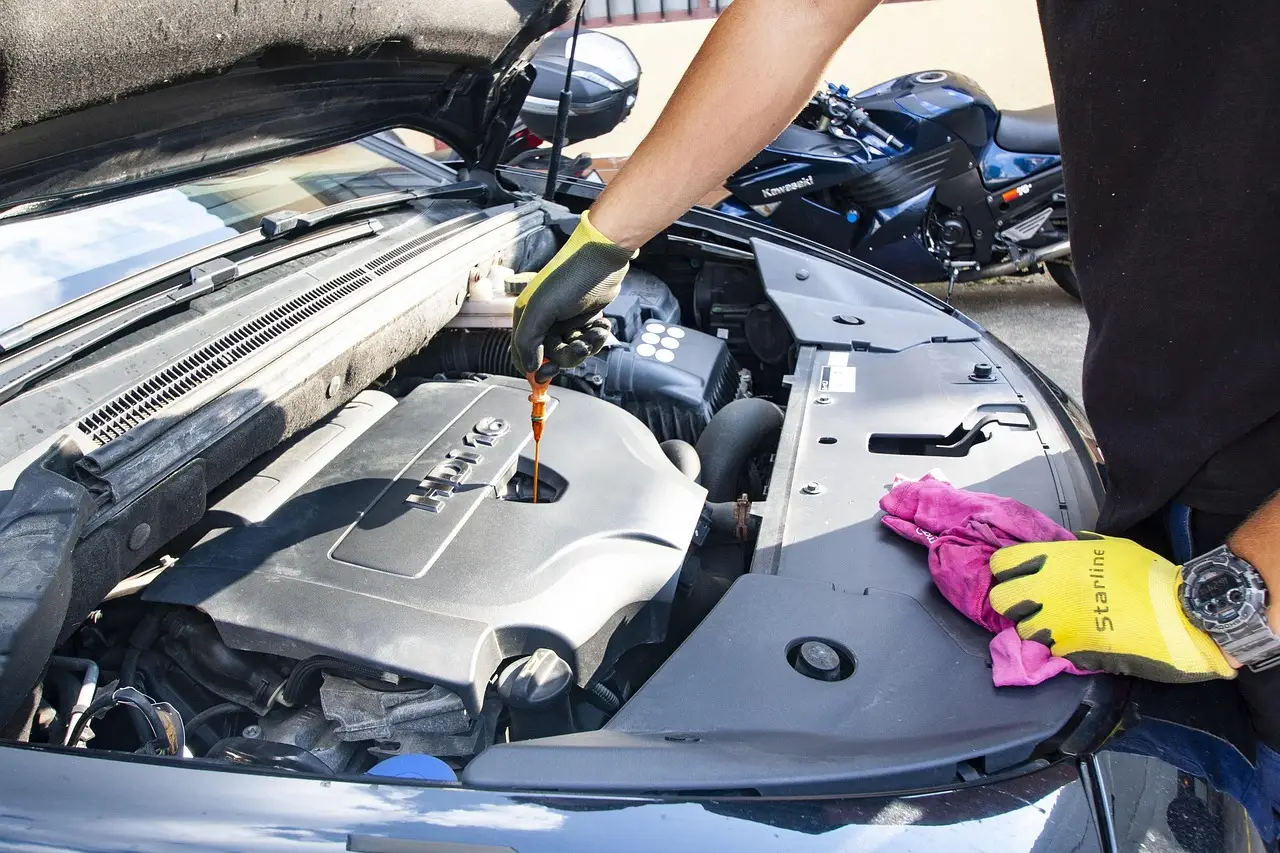
From 1 January 2027, Chinese automobile and motorcycle manufacturers seeking export permission must document overseas after-sales networks, while first-category automobile producers face a minimum of 50 authorized service points, according to rules from China’s Ministry of Commerce reported by inbusiness.kz.
That decision turns service capacity into an export-license condition rather than a post-sale commercial choice. According to inbusiness.kz, manufacturers without a “developed service network” and “guaranteed deliveries of spare parts” will not obtain permission. The shift makes proof of overseas maintenance capacity part of the approval package for vehicles leaving China.
What must manufacturers prove?
The Ministry of Commerce document requires applicants to confirm the presence of overseas service centers. They must also establish that each service operation is legal in the country concerned, that the centers have appropriate technical equipment, and that suppliers can maintain an uninterrupted supply of spare parts and consumables.
Those requirements test three linked elements of after-sales support: a physical service presence, authorization to perform repairs and a continuing materials chain. The rule does not stop at a list of workshop addresses. It also asks whether those workshops can work within local rules and whether spare parts and consumables will remain available after vehicles reach buyers.
What does the 50-point threshold change?
For automobile manufacturers in the first category, the minimum rises to at least 50 overseas service points holding permits for repair work in the country of presence. The count therefore depends on an established foreign network, not on Chinese factory output alone. inbusiness.kz did not identify the criteria for first-category status, so the threshold cannot be assigned to named manufacturers from the report.
That missing classification detail does not erase the numerical test for qualifying car makers: 50 licensed points. The source sets no separate headline minimum for motorcycle manufacturers, although motorcycle exporters remain within the scope of the export-permit rules and must meet the same service, legal, equipment and supply requirements.
How will export permits work?
The new conditions cover automobiles and motorcycles exported from China from 1 January 2027. Before a manufacturer receives an export permit, it must provide evidence that overseas service centers exist, operate lawfully, possess the necessary technical equipment and can receive spare parts and consumables continuously. The Ministry of Commerce thus evaluates the support system behind each export, not only the vehicle itself.
The framework also makes the timing explicit. A producer cannot treat the service build-out as a later investment after export volumes rise. It must demonstrate the network at the point when it seeks permission. This sequencing links foreign-market access to the manufacturer’s ability to service vehicles already in those markets.
inbusiness.kz summarized the policy’s central test with the statement that a manufacturer must show it can provide “full after-sales service” in external markets. Producing and shipping a vehicle no longer establishes eligibility by itself.
Why is Beijing tightening the rules?
The document reflects Beijing’s effort to strengthen control over automotive export quality as competition intensifies, inbusiness.kz said. The new test reaches beyond manufacturing standards and shipment records. It asks whether a manufacturer can support its products after export through lawful, technically equipped workshops and a dependable flow of replacement parts and consumables.
Under this approach, the factory, the shipment and the service network form one compliance chain. Export eligibility depends on the first two elements only in a limited sense: production and delivery remain necessary, but they no longer complete the case. The manufacturer must also prove that it can maintain the vehicle in the destination market.
What practical test now applies?
For a Chinese exporter, the compliance file must answer four questions: Where are the overseas service centers? Do they hold repair authorization in the country where they operate? Do they have adequate technical equipment? Can the producer maintain an uninterrupted flow of spare parts and consumables? First-category automobile manufacturers must also clear the 50-point minimum.
Failure on those points can block the permit, according to the report. That consequence explains why the policy is more than a service pledge. A manufacturer can build vehicles and secure shipments, yet still fail the state’s export test if it cannot document lawful, equipped and supplied service capacity abroad.
Which implementation details remain unclear?
The report does not state how authorities will count service points, whether one workshop can serve several vehicle or model lines, how they will verify uninterrupted parts supply, or whether permits issued before 1 January 2027 retain validity. It also provides no list of first-category automobile manufacturers. Those omissions limit an immediate company-by-company reading of the regime.
The available facts nevertheless define the direction clearly. China will decide export access partly on whether a manufacturer has built a durable service system around the vehicle. For first-category car makers, that means at least 50 properly authorized overseas points; for other covered producers, the source specifies proof of legal operations, technical capability and reliable supply, but no headline site count.
That is the mechanism behind the January 2027 change. Beijing has tied export permission to after-sales reach, requiring manufacturers to show that support infrastructure exists before vehicles cross the border, rather than after sales create pressure for repairs and parts support.
Основные выводы
- New Chinese export permit rules for automobiles and motorcycles take effect on 1 January 2027.
- First-category automobile manufacturers must have at least 50 authorized overseas service points.
- Producers must prove that overseas service centers operate legally and have adequate technical equipment.
- Spare parts and consumables must arrive without interruption.
- China’s Ministry of Commerce issued the document to strengthen control over export quality as competition intensifies.
Источник https://inbusiness.kz/ru/last/kitaj-uzhestochil-pravila-eksporta-avto
Ещё от Наталья Гончар
Показать полностью
Обозреватель «Shelf Herald», освещает люди и практика: Shelf Herald — двуязычное (русский/английский) независимое деловое СМИ.
18 статей
Смежные отделы
- Russia’s Draft Road Rules Target Delivery E-Scooters
- Yandex to Shut Market Yandex Go Marketplace in Uzbekistan on November 10
- Kazakhstan, Tajikistan adopt trade growth roadmap to 2030
- Clothing stores lead shopping centre closures in Russia
- Kazakhstan and Tajikistan sign 14 trade and cooperation documents