Clothing stores lead shopping centre closures in Russia
Clothing and footwear stores led Russian mall closures in 2026, while entertainment reached 14% of leased space in new centres in H1 and Moscow closures hit 56%.
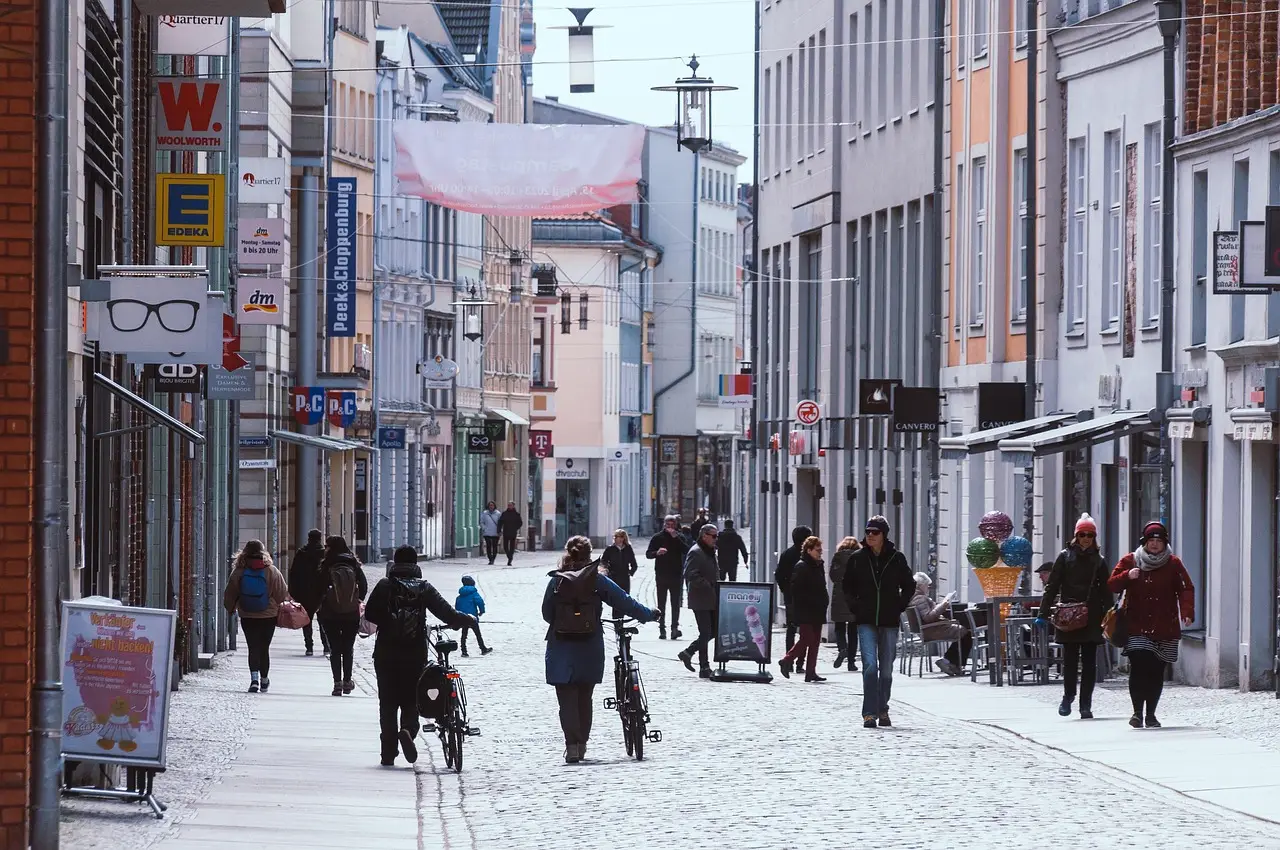
CORE.XP data show that clothing, footwear and accessory stores accounted for 56% of closed retail floor space in Moscow shopping centres in Q3 2026, up 11 percentage points in a quarter. The wider 2026 shift, according to ATER co-chair Pavel Lyulin, places apparel and shoe shops first by store closures across Russian shopping centres.
Pavel Lyulin, co-chair of the Association of Trading Real Estate and Retail Experts (ATER), reported the national ranking. The report does not publish a nationwide closure count, so the absolute scale of the contraction remains unquantified in the available data.
What is driving the closures?
Pavel Lyulin said: “The reduction in the number of physical stores is linked to consumers moving online.” About half of fashion-segment goods now sell through the internet, while the physical store count declines.
The contraction extends beyond fashion. Lyulin said the number of shopping outlets is also falling in electronics and children’s goods. Together, the statements place apparel, footwear, electronics and children’s products among the categories losing physical presence.
Shopping centres are already revising their tenant structure. Traditional categories, including clothing, footwear and sports goods, are reducing the floor space they occupy.
Who is taking new space?
Lyulin identified three groups as the leaders by new openings in Russian shopping centres:
- Entertainment operators
- Jewellery stores
- Food-service outlets
The opening ranking differs from the closure ranking led by apparel and footwear stores. The data therefore show substitution within shopping-centre tenancies, not only contraction.
Consulting company CMWP’s data for the first half of 2026 put the change in measurable terms. In new shopping centres, entertainment formats overtook clothing and footwear stores for the first time by share of leased area. Fashion’s share fell from 22% to 13%, while entertainment doubled to 14%.
The one-point gap between entertainment at 14% and fashion at 13% is narrow, but it marks a reversal in the leading format. The underlying movement is larger: fashion lost nine percentage points, while entertainment gained seven.
What does Moscow show?
CORE.XP’s Q3 2026 research found an even sharper concentration on the closure side. Clothing, footwear and accessory stores represented 56% of closed retail floor space in Moscow shopping centres, after an 11-percentage-point increase over the quarter.
Fashion still ranked first among new openings in the capital. The segment generated 27% of opened floor space in Q3 2026.
The two figures cover closures and openings separately, not total occupied space. A category can lead both at once, and the available data do not show whether fashion’s net floor area in Moscow rose or fell.
How do the two datasets fit together?
CMWP measures leased area in new shopping centres during H1 2026. CORE.XP tracks closed and opened retail space in Moscow during Q3 2026. The periods, markets and measures differ, so their percentages cannot be combined into a single national balance.
The direction nevertheless matches across both datasets. In new centres, entertainment gained leased area while fashion lost it; in Moscow, fashion dominated closures but also supplied 27% of openings. The figures show competing movements within the tenant mix, not a uniform retreat from physical retail.
For shopping-centre operators, the measurable consequence is a reallocation of space. Clothing, footwear and sports goods are shrinking their footprint, while entertainment, jewellery and food service lead the opening pipeline. Neither closure nor online migration removes fashion from that pipeline: the segment still produced 27% of Moscow openings in Q3 2026.
The change lies in a smaller leased-area share for fashion in new centres, from 22% to 13%, and a larger entertainment role, at 14%.
Основные выводы
- Q3 2026: clothing, footwear and accessory stores took 56% of closed retail space in Moscow shopping centres, up 11 percentage points over the quarter.
- H1 2026: fashion’s leased-area share in new shopping centres fell from 22% to 13%.
- H1 2026: entertainment doubled its leased-area share to 14%, overtaking fashion for the first time.
- Q3 2026: fashion supplied 27% of newly opened retail space in Moscow.
- 2026: about half of fashion-segment goods were sold online.
Источник https://retailer.ru/magaziny-odezhdy-lidirujut-po-zakrytijam-v-tc/
Ещё от Наталья Гончар
Показать полностью
Обозреватель «Shelf Herald», освещает люди и практика: Shelf Herald — двуязычное (русский/английский) независимое деловое СМИ.
18 статей
Смежные отделы
- IBC Real Estate and ATER unveil Russia’s mall classification
- Russia retail construction falls 45% in first nine months of 2026
- Russian online retail sales to grow 15–20% in November sales season
- Yandex to Shut Market Yandex Go Marketplace in Uzbekistan on November 10
- Russia's 520,000-Worker Retail Gap Could Reach Almost 1.5 Million