Courier Pay Reaches 300,000 Rubles as December Delivery Costs Rise 15%
OneSync forecasts a 15% rise to 170 rubles per kilometer in December. Courier shortages may reach 30% in Moscow and St. Petersburg, while some couriers can make 300,000 rubles in 12 working days.
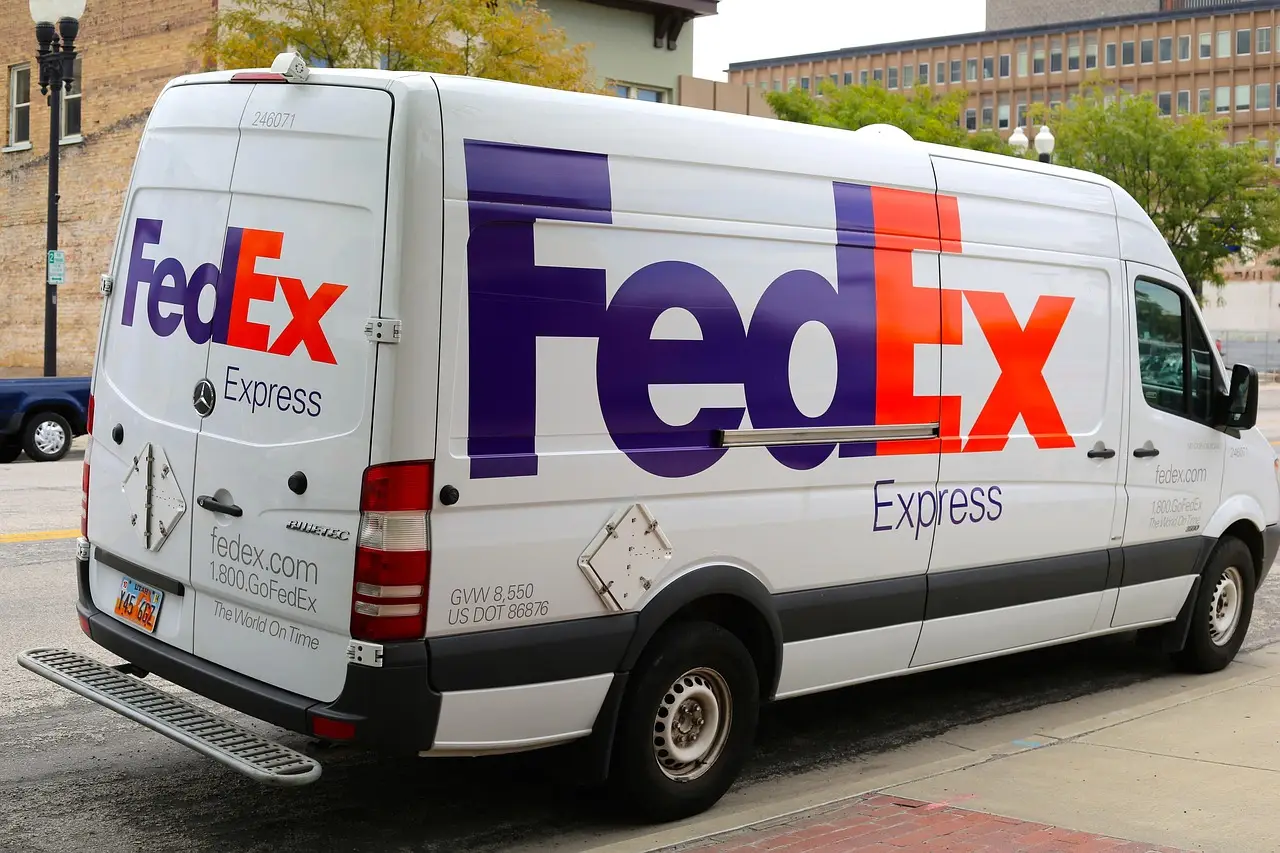
OneSync forecasts a possible 15% increase in December delivery costs in Russian cities with populations above one million, taking the rate to 170 rubles per kilometer. The pre-New Year period could tighten the express-delivery market, raising prices for customers and creating unusually strong earning opportunities for couriers.
What drives the 15% delivery-price increase?
The forecast reflects cost pass-through rather than a deliberate attempt by logistics companies to widen margins. From January through mid-October, automotive transport costs in Russia rose 13% year on year, according to experts.
Several input costs explain the movement:
- Gasoline climbed 21.4% over the year to 78.7 rubles per liter.
- Vehicle repair expenses rose 14%.
- Spare-part expenses increased 16%.
Carriers use route optimization and precise scheduling to limit the effect of higher costs. They have not fully offset the increases, so they pass more of the burden to customers. Fuel, maintenance and labor shortages thus feed directly into the higher per-kilometer tariff.
Why are courier rates rising?
Employers now compete for the same pool of workers. CDEK said: “Couriers now compete not only with delivery services, but also with marketplaces and taxi aggregators,” a contest that forces the company to raise rates continually.
Pay data show the pressure. In the second quarter, the average courier salary reached 125,500 rubles per month, up 23%, according to the Analytical Center of the Russian advertising industry.
Shortages peak when orders rise. Before the holidays, the courier deficit may reach 30% in Moscow and St. Petersburg. The overlap of rising demand and scarce couriers makes the pre-New Year period the market’s most intense stretch in cities with populations above one million.
How much can a courier earn in December?
Demand for delivery services traditionally increases 17–20% in December. An average Moscow courier earned about 150,000 rubles in autumn; the seasonal uplift can add 30–50%, taking earnings to 200,000–250,000 rubles.
Many couriers use the period to earn ahead and work with virtually no days off. Last year, the Mega-personal service forecast that some couriers could reach 300,000 rubles, and current market dynamics still support that forecast. The 300,000-ruble level is not a ceiling.
The largest gains apply to couriers with personal transport who can take more orders. In Moscow, one intensive shift can bring up to 25,000 rubles. Reaching 300,000 rubles requires at least 12 working days at maximum load.
That arithmetic compresses a half-month of work into exceptional income. The resulting 300,000 rubles is comparable with a half-year salary in other sectors, underlining the scale of the pre-holiday premium.
What changes for senders and couriers?
Senders pay more per kilometer as carriers recover higher fuel and maintenance costs and compete for scarce couriers. Couriers gain a temporary earnings boost from the 17–20% demand increase. Together, the two effects produce an overheated pre-holiday market.
What does a recent customer complaint show?
A reader who said their internet shop had used Ozon delivery for roughly two weeks reported that an order was canceled. Support replied: “The shipment was canceled because it could not be delivered.”
The reader said Ozon’s contract compensates sellers only for actual loss and excludes lost profit or other indirect damages. They said no answer came to their question about who was responsible for the cancellation.
The merchant regarded Ozon delivery as cheaper than competing services, but called the support response typical and described system failures as recurring. The account records one merchant’s experience, not a measured company-wide service failure rate.
Основные выводы
- OneSync forecasts a 15% December delivery-cost increase to 170 rubles per kilometer.
- Gasoline rose 21.4% to 78.7 rubles per liter, while automotive transport costs rose 13% from January through mid-October.
- Average courier pay reached 125,500 rubles per month in the second quarter, up 23%.
- The pre-holiday courier deficit may reach 30% in Moscow and St. Petersburg.
- Top couriers can earn 300,000 rubles over at least 12 maximum-load working days, with up to 25,000 rubles per shift.
Ещё от Наталья Гончар
Показать полностью
Обозреватель «Shelf Herald», освещает люди и практика: Shelf Herald — двуязычное (русский/английский) независимое деловое СМИ.
18 статей
Смежные отделы
- Kazakhstan and Tajikistan agree to digitalise freight flows
- Uzbekistan Logs 100,000 TEU by Rail but Dry Ports Still Don't Work as One System
- Kazakhstan’s GDP per capita reaches $15,006 in 2025
- Russian online retail sales to grow 15–20% in November sales season
- Mongolia diversifies fuel imports as demand reaches 3.1m tonnes