Kyrgyzstan cuts dried pulse imports by 42% to 9,500 tonnes
Kyrgyzstan imported 9,500 tonnes of dried pulses worth $3.7 million in January–August 2026, down 42.3% in volume, as Kazakh shipments fell 2.6-fold and Russian supplies grew 3.7 times.
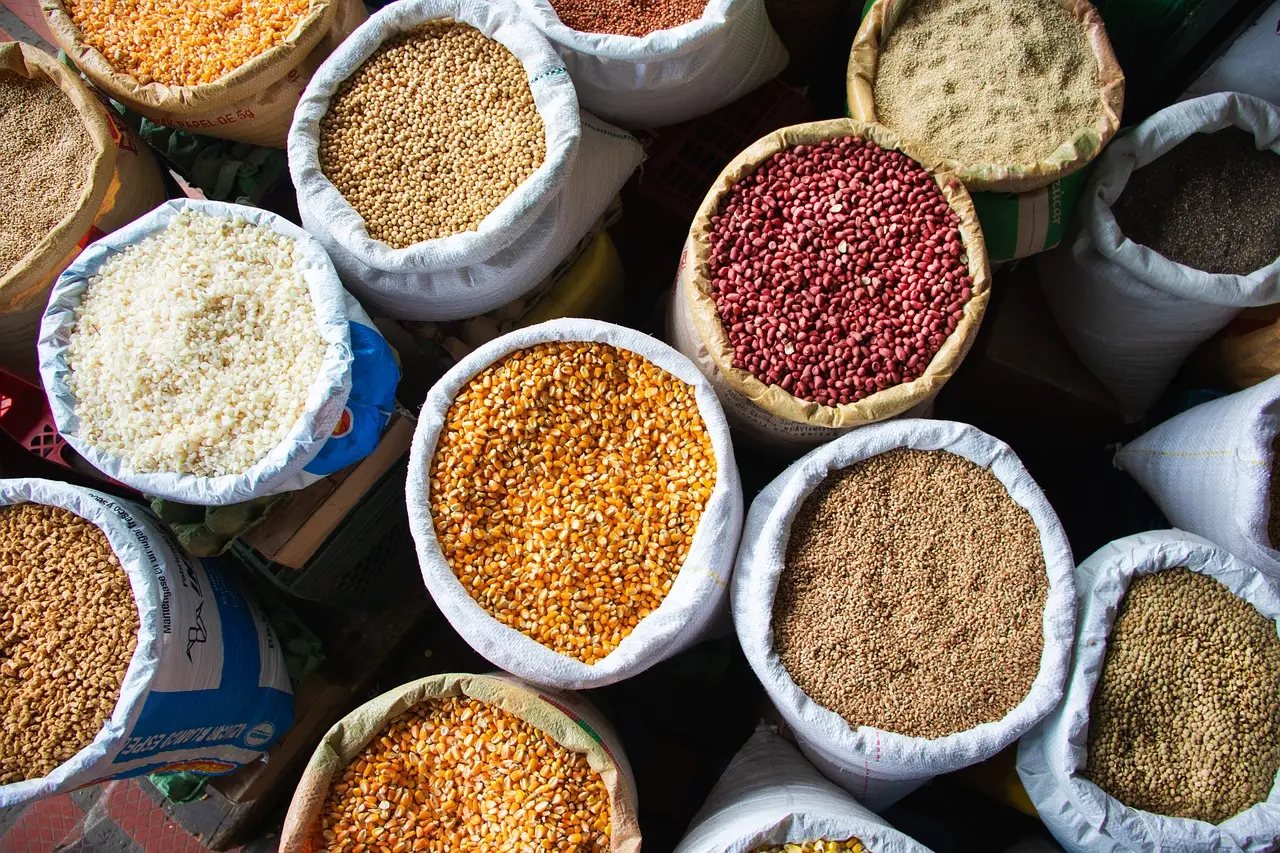
Kyrgyzstan imported 9,500 tonnes of dried pulses (the trade category covering dried beans, peas, chickpeas and lentils) worth $3.7 million in January–August 2026, a 42.3% drop in volume year on year, according to the National Statistical Committee. The decline reshuffles the country's supplier map: Kazakhstan, long the dominant source, has ceded volume to Russia and Uzbekistan, while two new origins — China and Afghanistan — entered the market from zero.
In value terms, purchases fell 38.6%. A year earlier, in January–August 2025, Kyrgyzstan bought 16,400 tonnes for $6 million. The gap between the volume and value decline means the average unit price of imported pulses rose, a detail food retailers in the region will track as they plan shelf pricing for staple dried goods.
Who supplies Kyrgyzstan now?
Kazakhstan remains the largest single supplier, but only barely compared with its former position. Deliveries from Kazakhstan reached 5,600 tonnes worth $2.1 million, or 59.5% of total import volume. That figure looks dominant until set against the prior year: in January–August 2025, Kazakhstan shipped 14,900 tonnes — 2.6 times more.
The gap was filled from other directions:
- Russia: 2,200 tonnes, up 3.7 times year on year — the fastest growth among established suppliers.
- Uzbekistan: 1,400 tonnes, nearly triple the volume of a year earlier.
- China: 136.1 tonnes, a new origin with no shipments recorded in the same period of 2025.
- Afghanistan: 68.9 tonnes, also a first appearance in the statistics.
- United States: 1.1 tonnes, down from 441.1 tonnes a year earlier — effectively an exit from the market.
What does this change for the regional trade?
For buyers and distributors in Kyrgyzstan, the numbers mark a practical shift in sourcing logic. Kazakhstan's share collapsed from roughly nine-tenths of volume — 14,900 out of 16,400 tonnes in 2025 — to just under 60%, and the absolute shortfall was not fully replaced: total imports fell by 6,900 tonnes. Russian and Uzbekistani suppliers absorbed part of that demand, tripling and nearly tripling their volumes respectively, which suggests new logistics corridors and contracts are already operating at meaningful scale.
The arrival of small shipments from China and Afghanistan, combined with the near-disappearance of US product, indicates a broader diversification of origin countries rather than a single substitute supplier. Whether the trend holds through the final months of 2026 will depend on harvest results and pricing in Kazakhstan, where the 2.6-fold contraction is the single largest factor behind the national import decline.
The data covers dried pulse vegetables — a staple category for Kyrgyz retail — and comes from the official trade statistics, making it a reliable baseline for category planning.
Kyrgyzstan's pulse basket is now supplied by five countries instead of three.
Основные выводы
- Kyrgyzstan imported 9,500 tonnes of dried pulses for $3.7 million in January–August 2026, down 42.3% in volume and 38.6% in value year on year.
- Kazakhstan supplied 5,600 tonnes (59.5% of volume) versus 14,900 tonnes a year earlier — a 2.6-fold decline.
- Imports from Russia grew 3.7 times to 2,200 tonnes; Uzbekistan nearly tripled to 1,400 tonnes.
- China (136.1 tonnes) and Afghanistan (68.9 tonnes) became new suppliers; US imports fell from 441.1 tonnes to 1.1 tonnes.
Источник https://www.tazabek.kg/news:2565099?from=rss
Ещё от Марина Ковалёва
Показать полностью
Редактор новостей «Shelf Herald», освещает регулирование и его влияние на сферу «Shelf Herald — двуязычное (русский/английский) независимое деловое СМИ».
12 статей