Russia Loses 7.4% of Strong Alcohol Producers in a Year
Russia's strong alcohol producers fell 7.4% to 377 companies as output slid 6.1% to 73.67 mln decalitres, pushing small vodka makers out and concentration up.
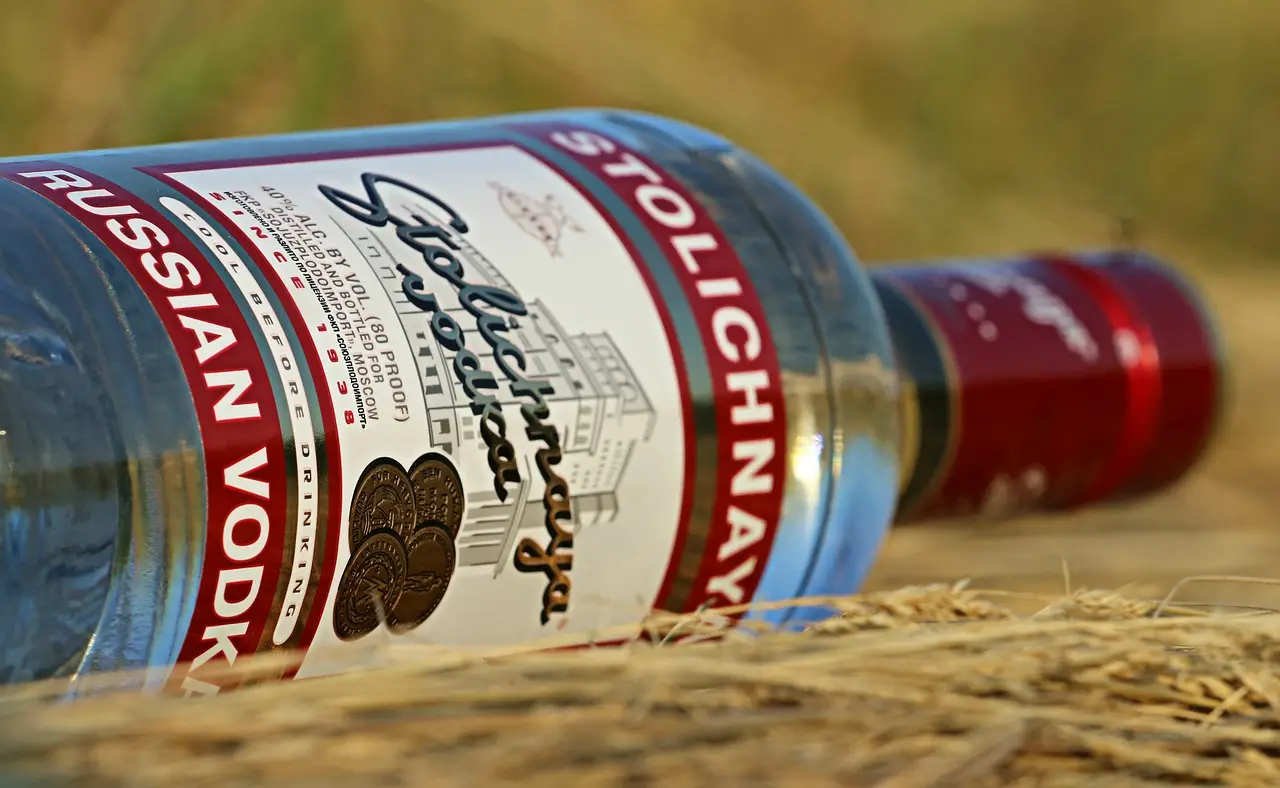
Russia registered 377 companies producing strong alcohol and spirits as of 1 October 2026 — 7.4%, or 30 organisations, fewer than a year earlier, according to Kontur.Focus data reported by Kommersant.
The decline accelerated through the year. Since 1 January 2026 the producer count has fallen by 6%, or 24 companies, while the number of business liquidations rose 72% year on year. Only one new specialised company entered the market in January–September, against three in the same period of 2025.
Which regions lost the most producers?
Among the ten regions with the largest producer bases, Crimea was hit hardest: the number of companies there fell 16.7% since the start of the year, to ten. In Kabardino-Balkaria the figure dropped 10.5%, to 17 organisations; in Krasnodar Krai it declined 9.5%, to 19.
The exits track a contracting market. Federal alcohol and tobacco regulator Rosalkogoltabakkontrol reports that output of beverages above 9% ABV fell 6.1% in the first nine months of 2026, to 73.67 million decalitres. Vodka production dropped 6.7%, cognac 13.5%, and other strong spirits 16.1%.
Why are companies closing?
Market participants link the closures to three pressures:
- falling consumer demand;
- higher minimum retail prices for vodka;
- intensified competition.
Small regional producers focused on inexpensive vodka proved the most vulnerable.
Consolidation is gathering pace at the same time. According to calculations by A.List, the ten largest strong-alcohol producers raised their share of retail sales in natural volume from 73% in January–September 2025 to 75% in the same period of 2026.
Experts say large producers hold the advantage when working with federal retail chains because they can guarantee stable delivery volumes — a decisive factor for shelf space and supply continuity. Smaller players can defend their positions through strong regional brands and contract manufacturing, including production for retailers' private labels.
What does this change for retailers? Fewer suppliers mean more dependable volume commitments from the majors, but reduced negotiating leverage and less regional assortment diversity on the strong-alcohol shelf.
Основные выводы
- Russia had 377 strong alcohol and spirits producers as of 1 October 2026, down 7.4% year on year.
- Only one new producer entered the market in January–September 2026; business liquidations rose 72% year on year.
- Output of drinks above 9% ABV fell 6.1% in nine months of 2026, to 73.67 million decalitres.
- Top-10 producers raised their share of retail sales volume from 73% to 75% year on year.
- Crimea lost 16.7% of its alcohol producers since the start of 2026, the steepest regional decline.
Источник https://retailer.ru/chislo-proizvoditelej-krepkogo-alkogolja-sokratilos-na-7-4/
Ещё от Марина Ковалёва
Показать полностью
Редактор новостей «Shelf Herald», освещает регулирование и его влияние на сферу «Shelf Herald — двуязычное (русский/английский) независимое деловое СМИ».
12 статей
Смежные отделы
- Kazakhstan Spice Exports Near $5 Million, Up 87.3% in 2026
- IBC Real Estate and ATER unveil Russia’s mall classification
- Russia retail construction falls 45% in first nine months of 2026
- Russian online retail sales to grow 15–20% in November sales season
- Kazakhstan's SK-Pharmacia buys 662.1 bn tenge of medicines for 2027